Financial Accounting module
Management control over money, not just bookkeeping
See receivables, payables, bank balances, GST liability and project-wise profit on one screen instead of in three spreadsheets and an accountant's head. Every sales invoice, purchase bill, payment and journal posts to the ledger automatically, tagged to the project and cost centre it belongs to.
Know whether a project is actually profitable — not just whether it was billed.

The problem
The books are closed, but the business questions stay open
The accountant can tell you total sales for the month, but not which of the twelve projects made money.
- 02Customer outstanding lives in a follow-up sheet that is a week behind the actual invoices.
- 03Vendor bills for ACP, acrylic and LED modules are approved on WhatsApp and paid before anyone checks them against the purchase order.
- 04Bank reconciliation happens at year end, so cheques bounced in June are discovered in March.
- 05GST returns are prepared by exporting invoices to Excel and re-typing tax amounts.
- 06Site expenses, installer travel and vendor advances are booked to a general account, so the project margin looks better than it is.
- 07The owner learns about a cash crunch from the bank, not from a report.
What it does
One ledger, tagged by project, cost centre and site
The accounting module records every transaction the moment it happens elsewhere in the system: a sales invoice from dispatch, a purchase bill from goods receipt, a salary from payroll, a material issue from stores. Because each entry carries the project and cost centre, the same ledger answers both the auditor's questions and the owner's.
- General ledger with a chart of accounts you can restructure without re-keying history
- Accounts receivable with ageing buckets, customer-wise outstanding and payment terms
- Accounts payable with vendor-wise outstanding, due dates and bills matched to purchase orders
- Bank reconciliation from uploaded statements, matched against payment entries
- GST-ready sales and purchase invoices with CGST, SGST and IGST tax templates
- GSTR-ready reports for outward and inward suppliesConfigured
- Payment entries for receipts and payments, part-payments and advances against invoices
- Journal entries for adjustments, provisions and depreciation
- Cost centres for factory, installation, sales, admin and each branch
- Project-wise accounting using accounting dimensions on every invoice, bill and journal
- Profit and loss statement filtered by project, cost centre or period
- Balance sheet and trial balance with drill-down to the voucher
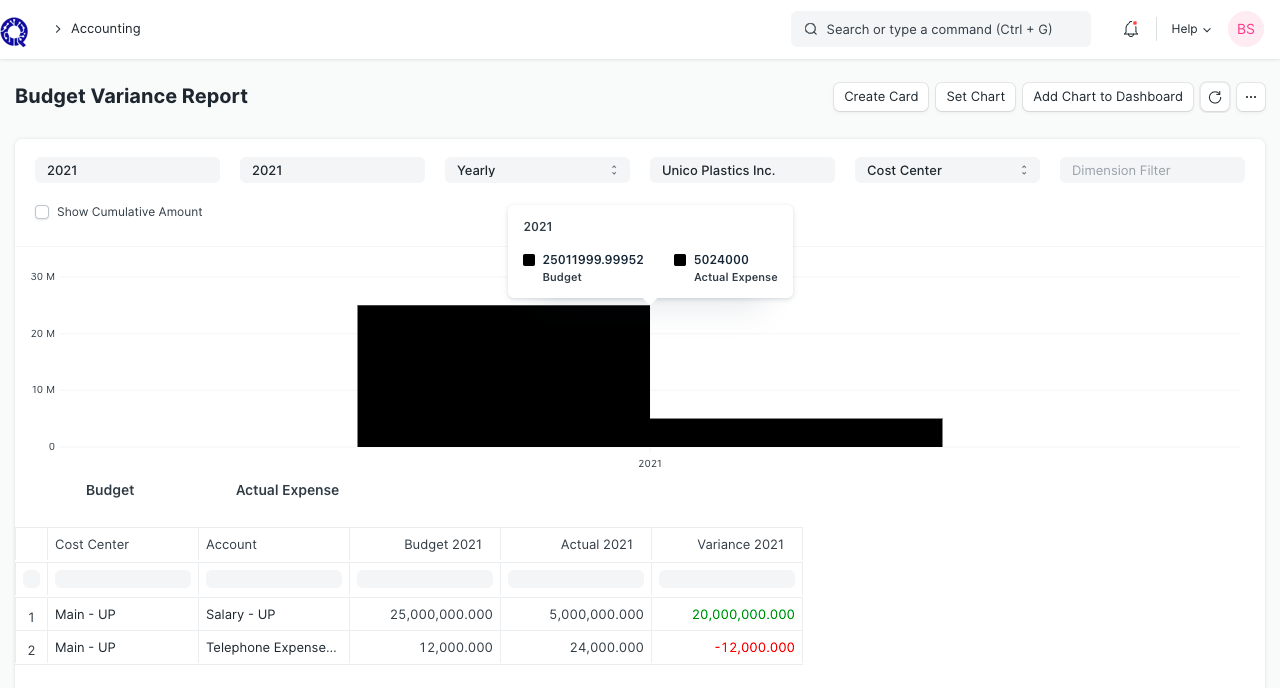
- Budgets per cost centre and account, with budget variance reporting
- Cash-flow visibility: bank balances, collections due and payments due on one dashboard
- Payment approvals: payments above a limit routed to a director before releaseConfigured
- Audit trail on every voucher: who created, changed, submitted or cancelled it, and when
- Multi-company and multi-currency where a group has more than one entity
In a signage business
Money questions a signage or branding business asks every week
- 01
Project profitability
Material, subcontracting, installation travel and site expenses booked against the project sit next to what was invoiced. The P&L for one retail rollout is a filter, not a spreadsheet.
- 02
Retention and milestone billing
Invoices raised at advance, on dispatch and after installation, with retention amounts tracked as outstanding until the customer signs off.
- 03
Vendor bill control
A powder-coating or printing vendor's bill is matched to the purchase order and the goods receipt before it can be paid. Short supply and rate differences show before payment, not after.
- 04
GST on multi-state projects
Sites in different states billed with the right IGST or CGST and SGST from tax templates, so the return does not need manual correction.
- 05
AMC and warranty income
Annual maintenance contracts invoiced on schedule and tracked against the service visits delivered, so recurring revenue is not forgotten.
- 06
Branch and cost-centre budgets
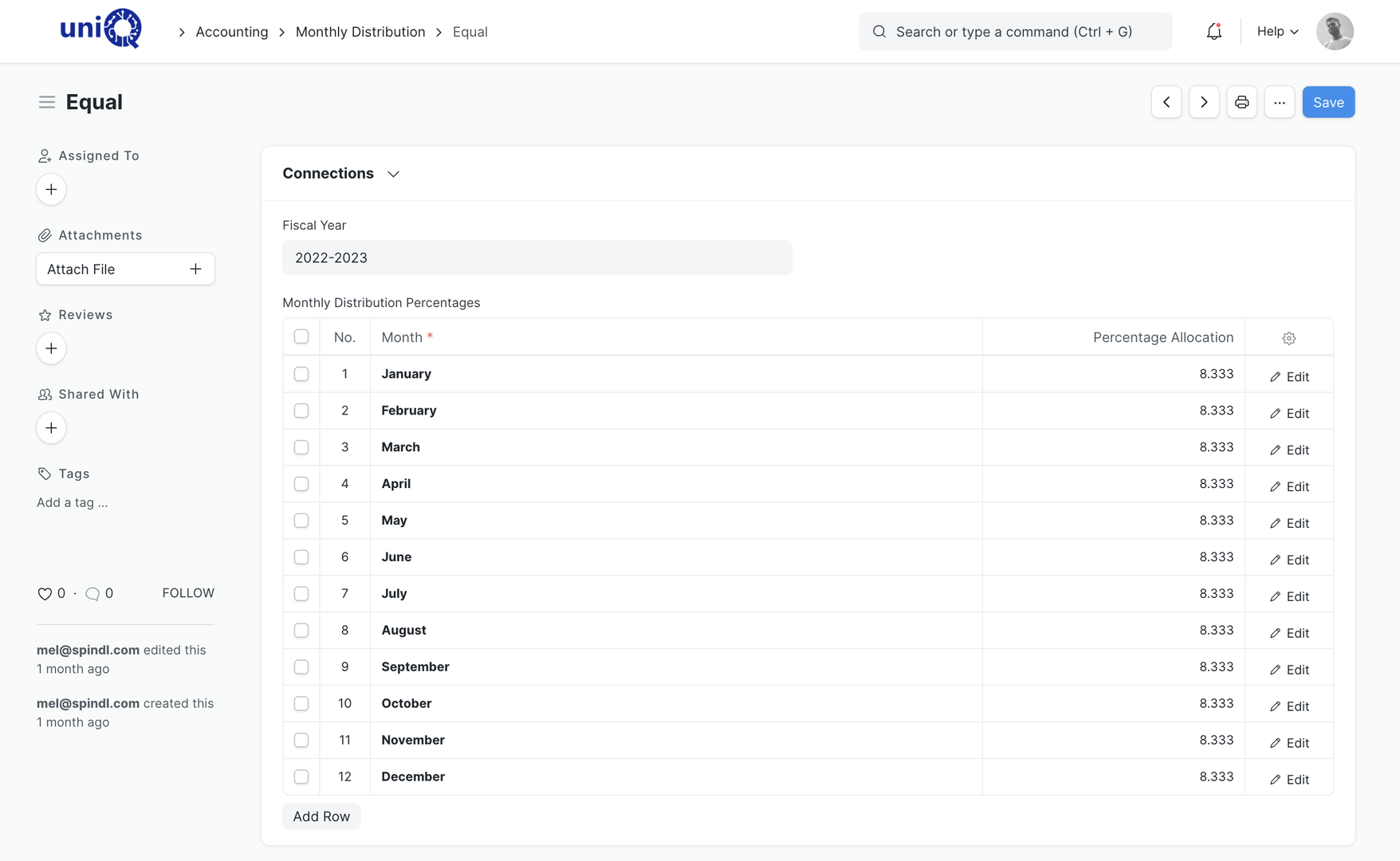
Factory consumables, vehicle running and marketing spend budgeted per cost centre with monthly distribution, and variance flagged when it is exceeded.
Key workflows
From invoice to project P&L
Set up the chart of accounts, cost centres and dimensions
The chart of accounts is structured for a project business: GST input and output accounts, retention receivable, subcontracting expense, site expenses. Cost centres and a project dimension are enabled so every voucher can be tagged.

Invoice from dispatch or milestone
A sales invoice is created from the delivery note or the sales order, with GST computed from the tax template and the project already filled in. The customer's print format carries GSTIN, HSN and terms.

Book vendor bills against receipts
Purchase invoices are pulled from purchase receipts, so quantity and rate are already matched to what came in. The bill lands on the project and cost centre of the material.
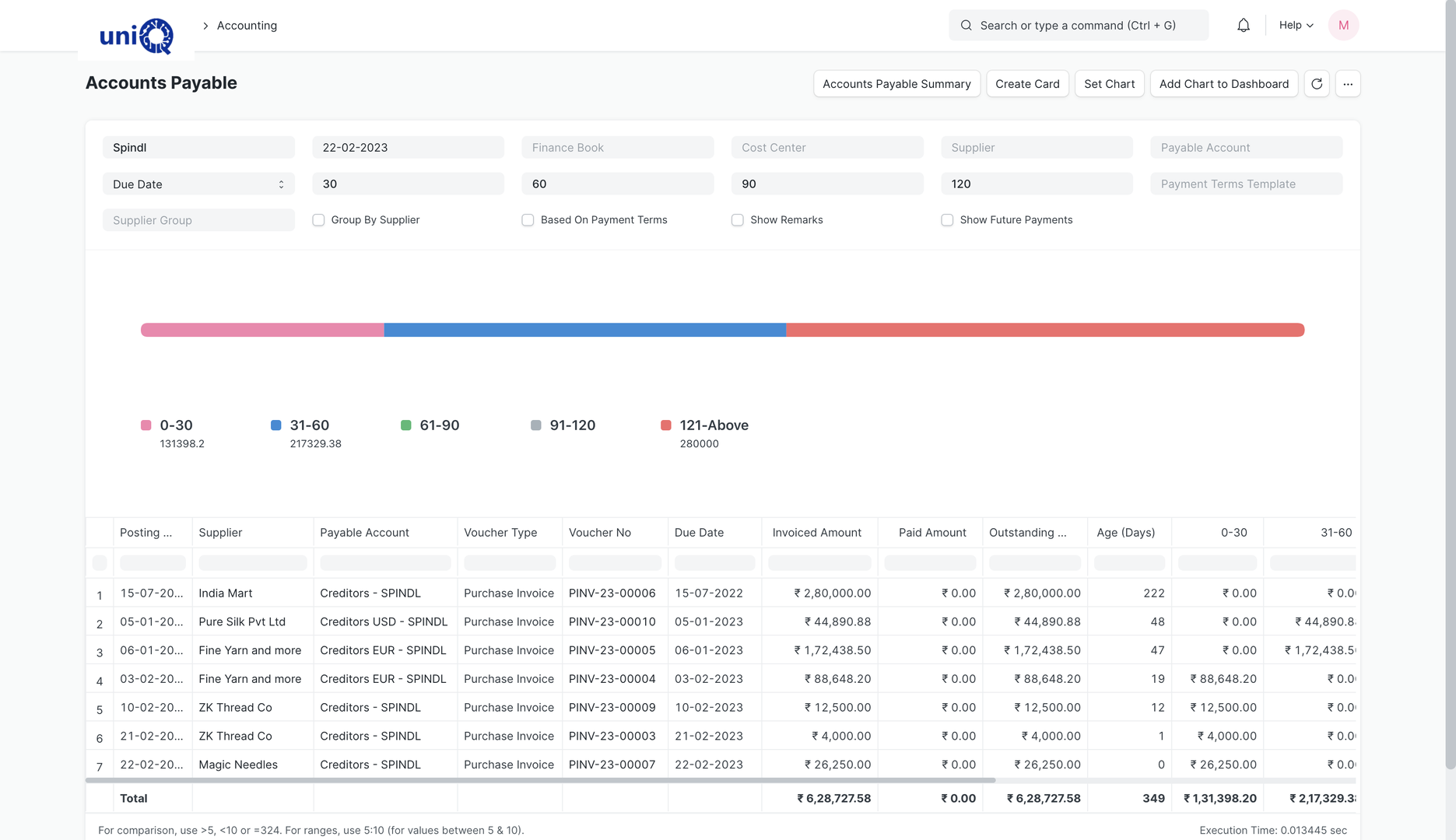
Record receipts and payments
Every collection and every vendor payment is a payment entry linked to its invoices. Part-payments, advances and TDS are handled on the same document, and approval limits can be configured before release.
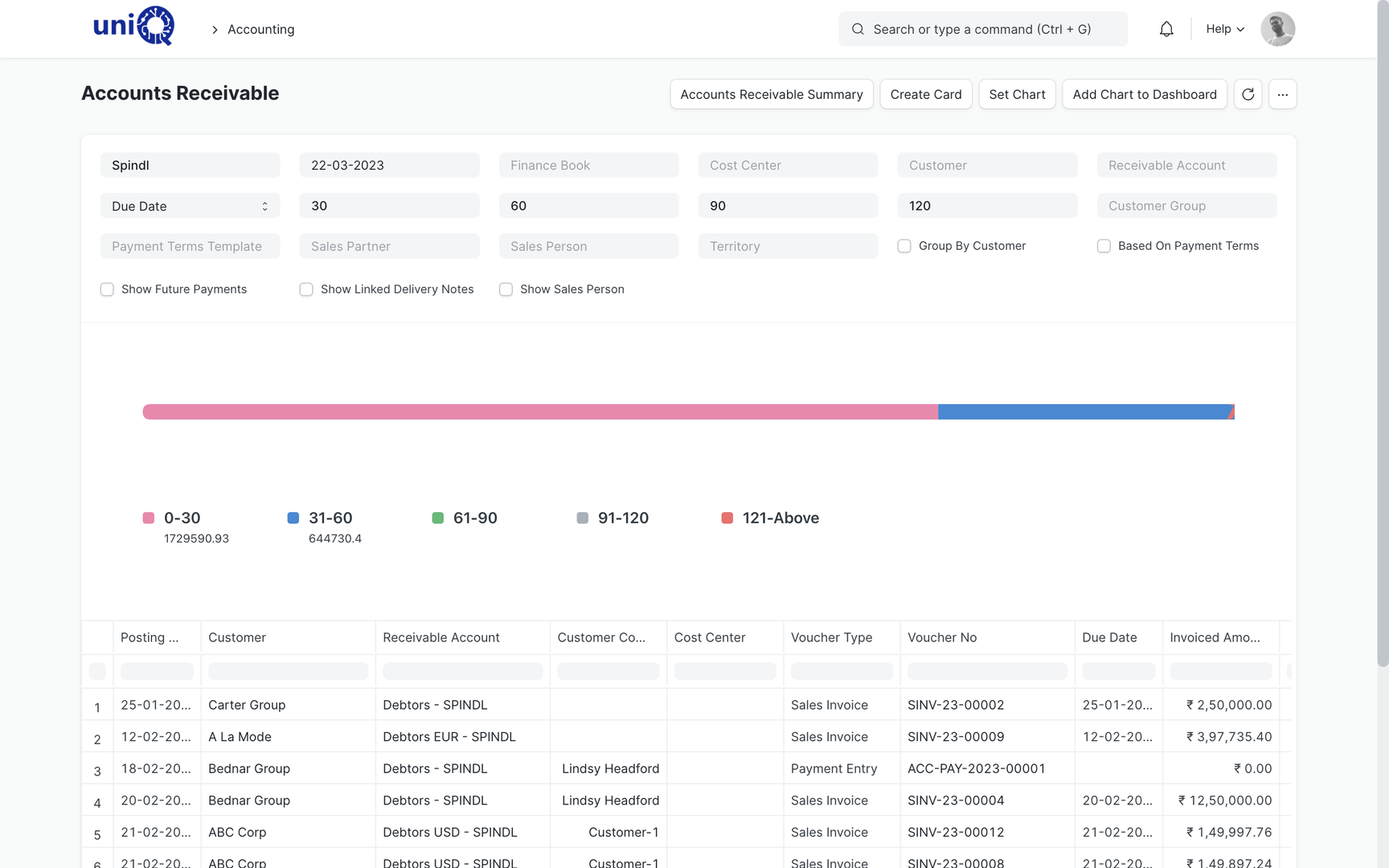
Reconcile the bank
Upload the bank statement and match transactions against payment entries. The difference between bank balance and book balance is visible on one screen, every week rather than at year end.

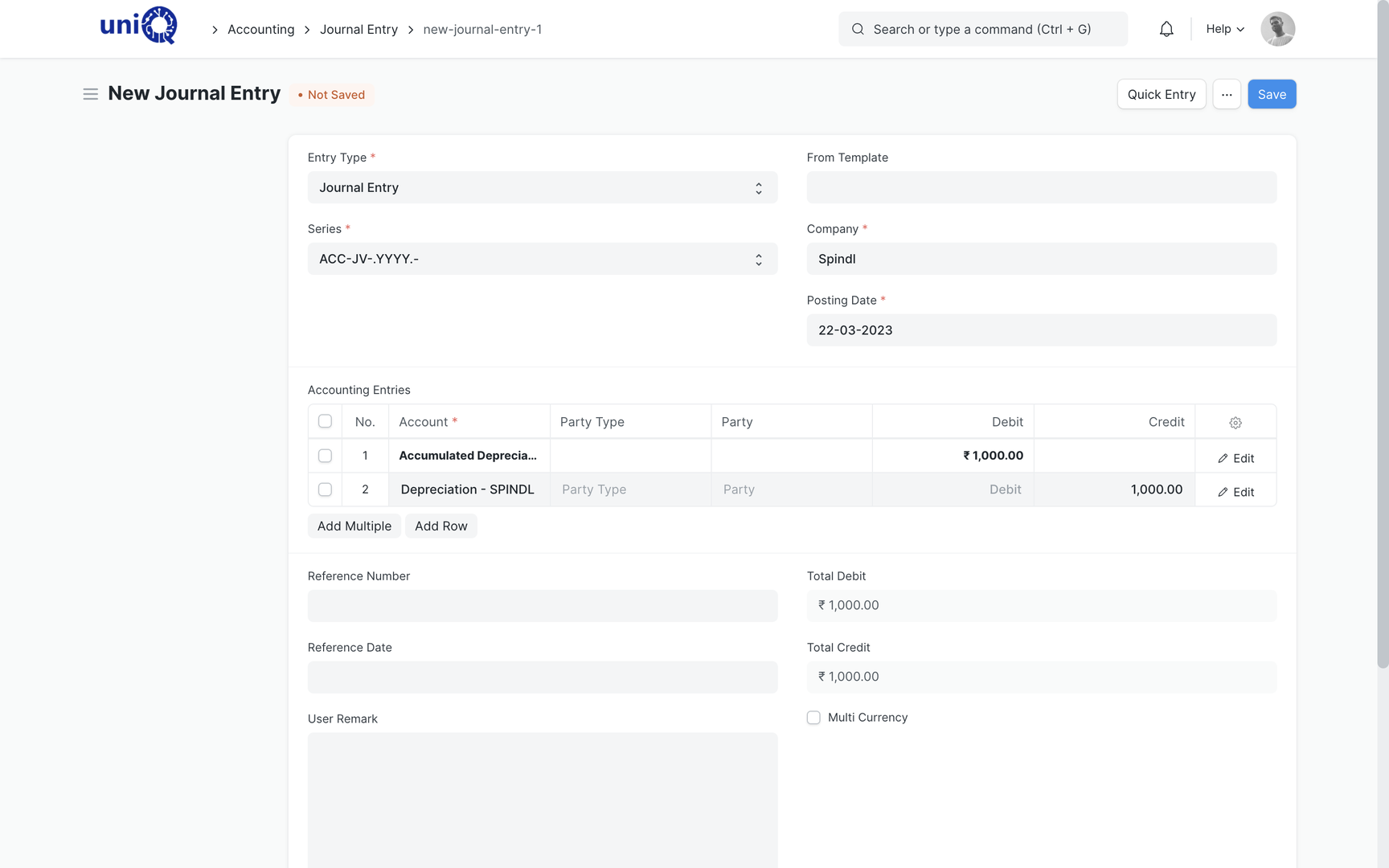
Post adjustments and month-end journals
Provisions, depreciation, inter-branch transfers and corrections go through journal entries with a full change history, so the auditor sees who did what.
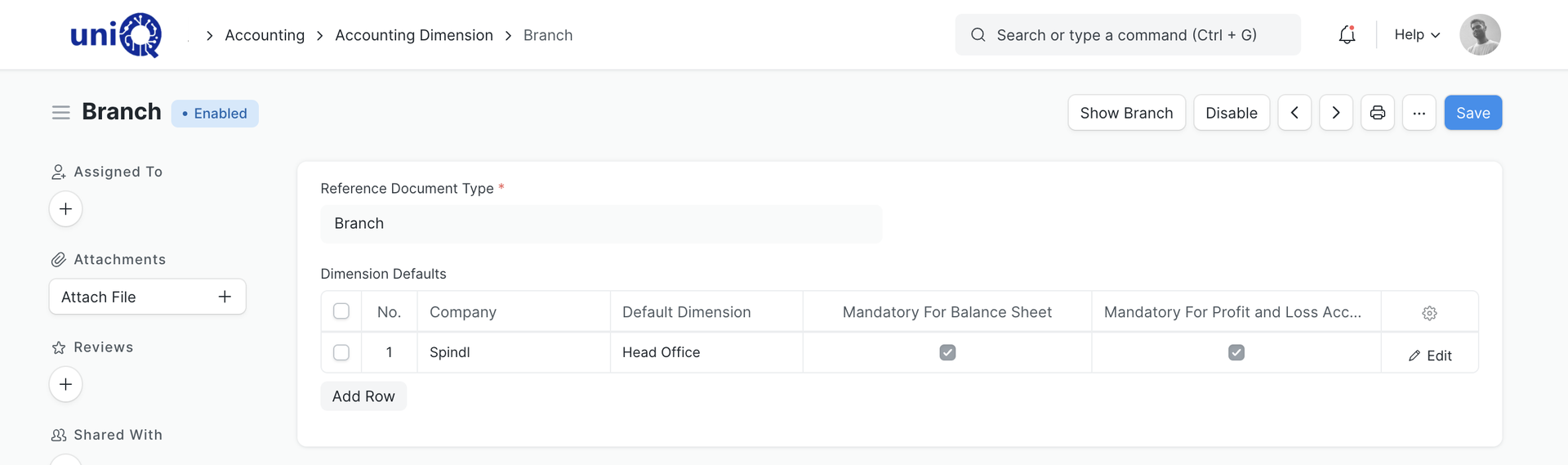
Read the ledger by project and cost centre
The general ledger, P&L and balance sheet filter by project, cost centre and period. Drill from a project's margin to the voucher that reduced it.

Screens
What your team works in
Layouts, naming and print formats are configured to your business during implementation.
Business outcomes
What changes for the owner and the CFO
- Project profit is a report, not a reconstruction after the job closes.
- Customer outstanding is current to the last invoice and payment, with ageing by customer.
- Vendor bills are matched to purchase orders and receipts before they are paid.
- Bank balance and book balance are reconciled weekly, so surprises surface early.
- GST invoices and returns are prepared from the same data, without re-typing.
- Site expenses, advances and subcontracting land on the project that caused them.
- Budgets per cost centre show variance while the year is still running.
- Every voucher has an audit trail, so questions from auditors and partners are answered from the system.
Connected
Accounting is the last step of every other process
Nothing is entered twice. Sales orders become invoices, purchase receipts become bills, stock movements post inventory value, payroll posts salaries and projects collect the cost. Finance reads what the rest of the business already recorded.
External integrations, scoped separately
- Bank statement import from your bank's file format
- GST portal filing tools and e-invoicing
- Existing Tally or Excel books migrated as opening balances
Who uses it
Who works in the accounting module
- ODOwner / Director
- CFCFO / Finance Head
- AMAccounts Manager
- AEAccounts Executive
- PMProject Manager
- PMPurchase Manager
- ACAuditor / CA
- BHBranch Head
FAQ
Financial Accounting: common questions
Can we keep using our CA for GST filing?
Yes. The system produces GST-ready invoices and GSTR-ready reports that your CA works from. Direct filing and e-invoicing are added as integrations if you need them.
How does project-wise profit actually work?
A project dimension is enabled on every accounting document. Invoices, purchase bills, expense claims, stock issues and journals carry the project, so the P&L filtered by that project shows real margin.
Can payments be held for director approval?
Yes. A payment approval workflow with limits is configured during setup, so payments above a threshold wait for a director before they are released.
We are moving from Tally. What happens to old data?
Opening balances, customer and vendor outstanding and the chart of accounts are migrated at go-live. Older transaction history stays in your archive for reference.
See ClassicNext running your business
A 30-minute fitment call: we understand your current process, show the modules that matter to you, and give indicative pricing. No generic tour.
Prefer to start smaller? Get a process audit or request pricing.